
An unexpected pregnancy can feel overwhelming, and knowing what steps to take next is important.
Making a decision you’re confident in starts with gathering all the facts. Let’s look at why it’s important to know if your pregnancy is viable (even if you’re considering abortion), what pregnancy viability is, how to know if you have one, and what to do if you don’t.
What is pregnancy viability?
A viable pregnancy means the pregnancy is likely to continue developing normally and be able to survive birth.
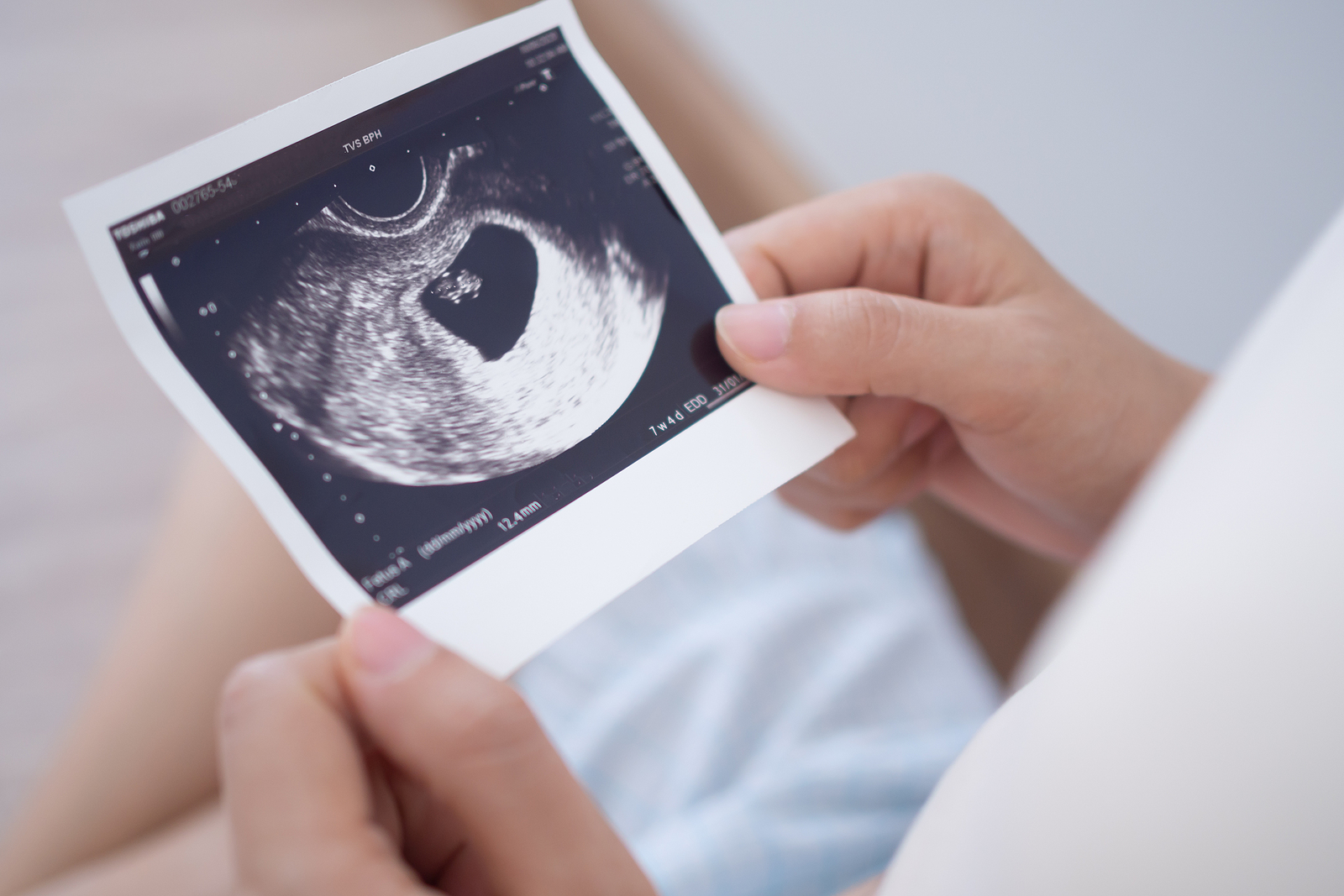
A pregnancy is viable if there is cardiac activity (a heartbeat) and is developing inside the uterus. This can typically be confirmed around 6-7 weeks gestation with an ultrasound.
What is a non-viable pregnancy?
A nonviable pregnancy means the pregnancy has no chance of survival. This can include:
- Ectopic pregnancy – when the fertilized egg implants outside the uterus, usually within the fallopian tubes.
- Miscarriage – when the pregnancy ends naturally.
Regardless of whether you plan to continue or terminate your pregnancy, knowing viability is essential for determining your safest options.
LifeSpring offers free ultrasounds to determine if your pregnancy is viable.
When can I confirm pregnancy viability?
A pregnancy’s viability can often be confirmed between 6 to 7 weeks of pregnancy. At 6 weeks, a healthy pregnancy should have a heartbeat and be big enough to be visible through an ultrasound.
If the embryo has a heart rate that is too slow for its gestational age, you may have a higher risk for miscarriage.
Sometimes women get an ultrasound too early, and the fetus can’t be seen clearly or the heartbeat isn’t heard. In those cases, they may be told the pregnancy is nonviable. It’s important to schedule a follow-up ultrasound in about two weeks to reconfirm viability, even if you plan to have an abortion.
If you have a nonviable pregnancy, our medical professionals will help direct you towards your safest next steps.
How does an ultrasound confirm pregnancy viability?

An ultrasound looks at several things when confirming a viable pregnancy:
- Location of pregnancy: make sure it is inside the uterus
- Healthy fetal heartbeat: at 6 weeks it should have a healthy heart rate of 110 beats a minute
- Gestational Age: estimate how far along you are and estimate a due date
What if I don’t have a viable pregnancy?
Schedule an appointment with your doctor, as they might want to do further testing to make sure the pregnancy is indeed nonviable. It’s never a bad idea to get a second opinion.
If your pregnancy is nonviable due to miscarriage or ectopic pregnancy, different treatments are needed.
Treatment options depend on the size and location of the ectopic pregnancy. Keep in mind, an abortion will not treat an ectopic pregnancy or miscarriage. Having an abortion with an untreated ectopic pregnancy can be extremely dangerous, as the ectopic pregnancy can rupture and cause a deadly infection.
If your pregnancy has ended naturally by miscarriage, an abortion is not needed. Instead, a medication or procedure might be needed to remove all of the tissue.
Confirm Viability with a Free Ultrasound at LifeSpring
Our licensed medical professionals at LifeSpring can help you get the answers about your pregnancy so you can be sure what next steps are right for you. We can walk through your options and what resources are available to you.
We care about you and your health.